

Estate Jewellery
9 min read
What to Do with Inherited Jewellery: A Practical Guide
What to Do with Inherited Jewellery: A Practical Guide
Last Updated: December 2025 | Reading Time: 9 minutes
Summary
Inheriting jewellery from a loved one creates an emotional crossroads: do you keep it, sell it, repurpose it, or store it? This comprehensive guide walks you through the practical and emotional considerations of inherited jewellery, including how to get it appraised, understanding sentimental vs monetary value, legal considerations for estate items, and how to find trustworthy buyers if you decide to sell. Whether you inherited your grandmother's diamond ring or your father's watch collection, this guide helps you make informed decisions that honor both the legacy and your needs.
When my client's mother passed away, she left behind a jewellery box.
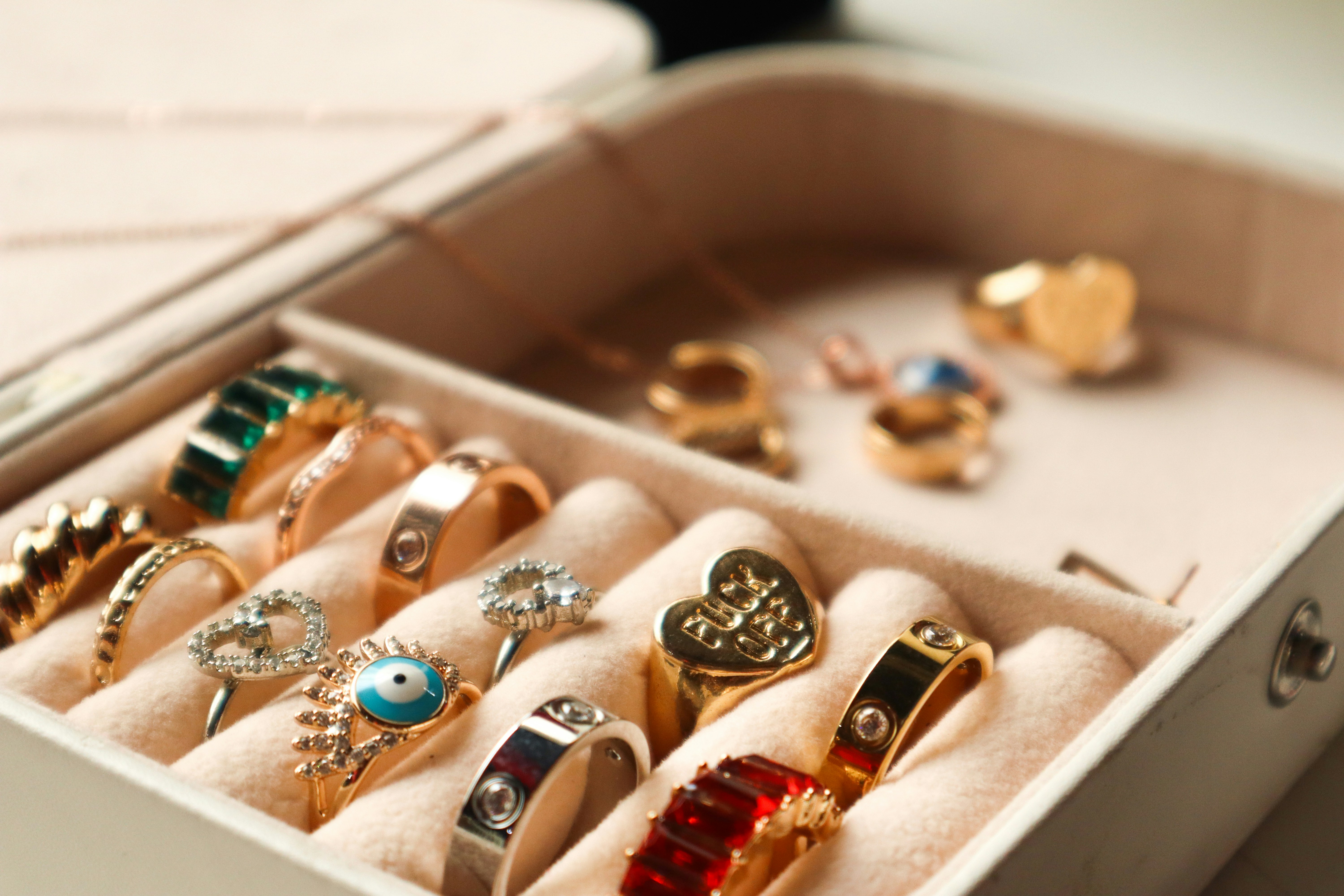
Inside: a diamond engagement ring from 1962. A gold bracelet from her 40th wedding anniversary. Three watches her late husband had collected. And a dozen pieces of costume jewellery mixed in with the real items.
My client had no idea where to start.
Which pieces were valuable? Which were sentimental? And what was she supposed to do with jewellery she'd never wear but felt guilty selling?
This scenario plays out constantly. Inheriting jewellery isn't like inheriting money—it comes with emotional weight, practical questions, and decisions that feel impossible to make.
After 73 years of helping families navigate inherited jewellery, I've learned this: there's no "right" answer. But there is a process that makes the decision clearer.
Why This Is Harder Than It Should Be
Inherited jewellery sits at the intersection of three complicated things:
1. Emotional attachment
Even if you never wear your grandmother's ring, selling it feels like betraying her memory.
2. Unknown value
Is that bracelet worth R5,000 or R50,000? You have no idea—and neither did the person who left it to you.
3. Practical reality
You need money for medical bills, or you're downsizing, or you simply don't wear jewellery. Keeping it feels wasteful. Selling it feels wrong.
The result? Most inherited jewellery sits in a drawer for years. Unworn. Uninsured. Slowly forgotten.
Let's fix that.
Step 1: Separate Sentimental Value from Monetary Value
This is the hardest step—but also the most important.
Sentimental value is what the piece means to you emotionally.
Monetary value is what someone will actually pay for it.
These two things are rarely aligned.
Your grandmother's engagement ring might have enormous sentimental value to you. But if it's a small diamond in a dated setting, its monetary value might be R8,000-R12,000.
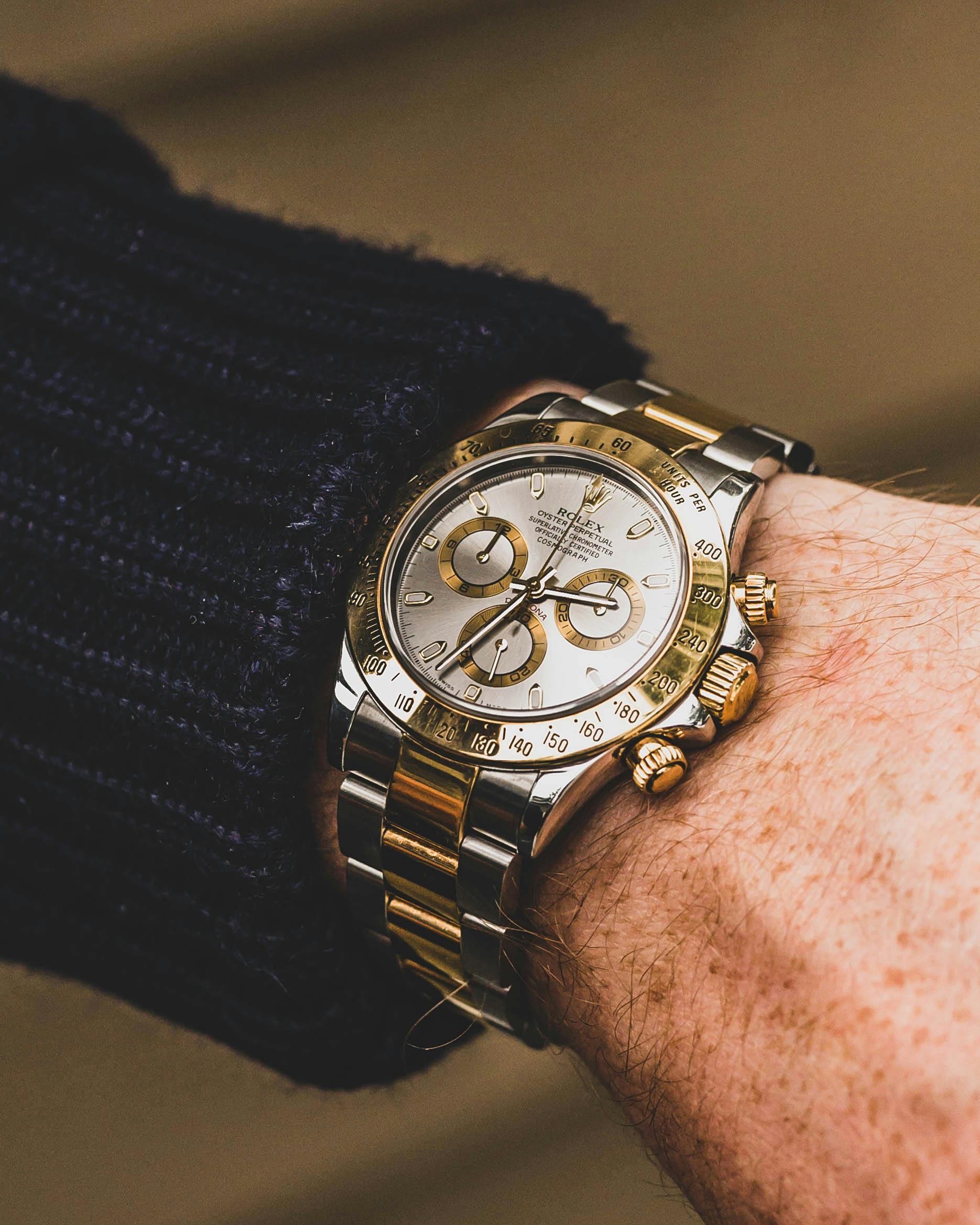
Conversely, your grandfather's Rolex might have moderate sentimental value ("I remember him wearing it, but we weren't close") but significant monetary value (R80,000-R120,000).
Why this matters:
You can't make a clear decision until you separate emotion from economics.
What to do:
Look at each piece and ask: "If this had zero monetary value, would I still keep it?" If yes, that's high sentimental value. If no, you're keeping it for the wrong reasons.
Step 2: Get Everything Appraised (Even if You Think You Know)
Most people wildly overestimate or underestimate inherited jewellery's value.
Common misconceptions:
"It's old, so it must be valuable" (Not true—age alone doesn't determine value)
"It's gold, so it's worth a lot" (Gold value depends on weight and karat, and 9k or 14k gold isn't as valuable as you think)
"It was expensive when they bought it" (Retail price 30 years ago doesn't reflect current market value)
What professional appraisal reveals:
Actual metal content (is it 9k, 14k, 18k gold? Is it gold-plated?)
Gemstone quality (are those diamonds? What grade?)
Current market value (what it would sell for today)
Replacement value (for insurance purposes)
Where to get appraised:
Established jewellery dealers (we offer appraisal services)
Independent gemologists
Auction houses (for high-value or antique pieces)
Cost: R500-R2,000 depending on complexity
Why it's worth it:
I've seen people keep R5,000 costume jewellery thinking it's R50,000, and I've seen people almost sell R80,000 vintage pieces thinking they're worthless. Don't guess. Get it appraised.
Step 3: Understand Your Four Options
Once you know what you have and what it's worth, you have four paths:
Option 1: Keep It
Best for:
High sentimental value pieces you'll actually wear
Items that fit your style and you can see yourself using
Family heirlooms you want to pass to your children
Considerations:
Get it insured (many people forget this step and lose pieces to theft or loss)
Have it cleaned and serviced if needed (especially watches)
Update the style if necessary (resize rings, shorten necklaces, etc.)
The test: If you haven't worn it in 2+ years and can't imagine a scenario where you would, keeping it might not make sense.
Option 2: Sell It
Best for:
Pieces with high monetary value but low personal sentiment
When you need the money for practical purposes (medical bills, debt, education)
Items you'll genuinely never wear or display
Considerations:
Give yourself time to grieve before selling (don't make rushed decisions right after a loss)
Understand you'll get 60-75% of market value from dealers, or 85-95% via private sale (but with more risk and effort)
Get multiple quotes before selling
The guilt question:
Many people feel guilty selling inherited jewellery. Here's the reframe: your grandmother left it to you because she wanted it to help you. If selling it improves your life, that honors her intent.
Option 3: Repurpose It
Best for:
Pieces with high sentimental value but dated styles you won't wear as-is
Engagement rings or wedding bands you want to transform into something wearable
Gold or diamonds you want to incorporate into new jewellery
What repurposing can do:
Melt down gold and create a new piece (pendant, modern ring, bracelet)
Reset diamonds into contemporary settings
Combine multiple pieces into one
Cost: R5,000-R25,000+ depending on complexity
Why it works: You keep the sentimental connection while creating something you'll actually wear.
Option 4: Store It (With a Plan)
Best for:
Pieces you're not ready to decide on yet
Items your children might want when they're older
Antique or vintage pieces that may appreciate over time
Considerations:
Get it insured
Store it securely (safety deposit box or home safe)
Document it (photos, appraisals, provenance)
Set a timeline to revisit the decision (1 year, 5 years, etc.)
The risk: "Store it with a plan" often becomes "store it indefinitely and forget about it." Be honest about whether you're truly waiting for the right time, or just avoiding a decision.
The Legal Side: What Executors Need to Know
If you're the executor of an estate that includes jewellery:
1. Get everything appraised for estate valuation purposes
This affects estate duty calculations and ensures fair distribution among heirs.
2. Check the will for specific bequests
Some wills specify "Grandmother's ring goes to Jane, gold watch goes to John." Follow these directives exactly.
3. Document everything
Photos, appraisals, and written records protect you if disputes arise among beneficiaries.
4. Understand insurance coverage
Estate jewellery may not be covered under standard homeowners insurance during the probate period. Confirm coverage.
5. Don't sell major items without executor authority
If you're not the executor, you can't legally sell inherited jewellery until the estate is finalized and ownership transfers.
How to Find Trustworthy Buyers (If You Decide to Sell)
Selling inherited jewellery is emotional enough without worrying about scams or lowball offers.
Red flags to avoid:
Buyers who pressure you to sell immediately
Offers significantly below appraised value with no explanation
Buyers unwilling to show credentials or explain pricing
"Cash only" deals with no documentation
What reputable buyers do:
Provide transparent pricing based on weight, karat, gemstone quality
Show you comparable market values
Give you time to think (no pressure)
Provide receipts and documentation
Are SAPS-registered (required by law in South Africa)
Where to sell:
Established jewellery dealers with long track records
Auction houses (for high-value or antique pieces)
Estate buyers specializing in inherited jewellery
Where NOT to sell:
Facebook Marketplace or Gumtree (high scam risk)
Pawn shops (typically offer 20-40% of value)
Buyers with no physical location or verifiable history
The Questions Most People Struggle With
"Am I betraying their memory if I sell it?"
No. Your grandmother wanted to leave you something valuable. If selling it helps you pay off debt, fund education, or improve your life, that honors her intent.
"What if I regret selling it later?"
This is real. Give yourself time before selling high-sentimental items. But also recognize: if you haven't worn it in years and can't imagine wearing it in the future, regret is unlikely.
"Should I give pieces to my children even if they don't want them?"
Ask them. Many adult children don't want inherited jewellery but feel obligated to accept it. Having an honest conversation prevents pieces from sitting in their drawers too.
"What if I sell it and find out later it was worth more?"
Get multiple appraisals before selling. If three reputable sources give you similar valuations, trust that number. Don't paralyze yourself with "what if."
What to Do Right Now
You've just learned how to approach inherited jewellery with both heart and head.
If you recently inherited jewellery:
Don't make rushed decisions. Give yourself time to process the loss before deciding what to keep or sell.
If inherited jewellery has been sitting in your drawer for years:
Get it appraised. You can't make an informed decision without knowing what you actually have.
If you're ready to sell but feel guilty:
Reframe it: selling isn't betrayal. It's transforming a physical object into resources that improve your life. That honors the giver's intent.
If you want to repurpose pieces:
Find a reputable jeweler who specializes in custom work. Bring your vision and your grandmother's ring—they'll create something you'll actually wear.
Need Help Appraising or Selling Inherited Jewellery?
We've been helping South African families navigate inherited jewellery since 1951. We understand this isn't just a transaction—it's a deeply personal decision.
Our inherited jewellery service includes:
Compassionate, pressure-free appraisals
Transparent pricing with comparable market data
Time to think (no rush, no pressure)
Full documentation for estate or personal records
Options for selling, repurposing, or storage guidance
Get started today:
Or reach out directly:
WhatsApp: 078 603 8717
Email: jhbjewelersandwatchmakers@gmail.com
Key Takeaways
Separate sentimental value from monetary value—emotion and economics rarely align, and that's okay.
Get everything appraised—don't guess at value. Professional appraisals cost R500-R2,000 and prevent costly mistakes.
You have four options: keep, sell, repurpose, or store—choose based on sentimental value, wearability, and your financial needs.
Selling inherited jewellery isn't betrayal—it's transforming a gift into resources that improve your life, which honors the giver's intent.
Give yourself time before major decisions—don't sell high-sentimental items immediately after a loss. Wait until emotions settle.
Work with SAPS-registered, established buyers—avoid scams by choosing reputable dealers with verifiable track records.
About the Author
This guide was written by the team at JHB Jewellers & Watchmakers, South Africa's most trusted buyers of Swiss-made luxury watches and fine jewellery since 1951. We've helped thousands of families navigate inherited jewellery with compassion, transparency, and respect for both the pieces and the emotions they carry.
Featured Articles


Ready to Get Your Free Valuation Today?
No obligation. No pressure. Just a fair offer backed by 7+ decades of trusted service.